A bonded restoration is only as reliable as the surface it is bonded to. When a phosphoric acid etch is applied correctly, it opens the enamel rod pattern and modifies the dentin surface enough for resin to penetrate and mechanically bond in place. When it is applied incorrectly, even a well-chosen adhesive and a well-placed composite can fail at the margin months later. The etching step takes seconds, but it determines the upper limit of how strong that bond can be.
Phosphoric acid etching removes the smear layer and mineral content from the tooth surface, creating microscopic irregularities that a bonding resin can flow into and mechanically interlock with. On enamel, this acid etch produces a honeycomb-like pattern along the prism boundaries, which contributes to the strength and predictability of resin-enamel bonds. This is the reason phosphoric acid etching has remained part of routine restorative protocol even as adhesive chemistry has evolved.
Enamel and dentin do not respond to acid the same way, and treating them identically is one of the more common sources of technique error.
Enamel is almost entirely mineral, so it tolerates a longer application without structural damage. A clean, well-defined etch pattern on enamel is what allows strong, durable resin tags to form at the margin.
Dentin contains a much higher proportion of organic material and water within its tubules. Etching dentin for too long demineralizes it deeper than the adhesive resin can infiltrate, leaving unprotected collagen at the base of the etched zone. That gap between the depth of demineralization and the depth of resin penetration has been associated with reduced bond strength and postoperative sensitivity.
Etching protocols are built around this difference in how enamel and dentin respond to acid, and the technique chosen depends on the adhesive system and the case.
Recommended etching protocols generally call for phosphoric acid to stay on enamel longer than it stays on dentin. A common clinical approach is to place the gel on enamel first, then extend it to cover dentin for a shorter interval before rinsing everything at the same time. This gives the enamel adequate exposure without over-treating the dentin.
Selective etching applies phosphoric acid to enamel only, while dentin is conditioned separately by a self-etch adhesive or a universal adhesive in self-etch mode. This approach is used with universal adhesives that already have the acidity to condition dentin on their own, and it reduces the risk of over-etching or over-drying dentin. Some laboratory research on universal adhesives suggests that abbreviated etching times, ranging from a few seconds up to fifteen seconds, may produce enamel bond strength comparable to longer, conventional durations, while reducing the chance of etching adjacent dentin by accident.
Total-etch technique applies phosphoric acid to both enamel and dentin, followed by a single rinse and an etch-and-rinse adhesive system. This remains a standard, well-documented approach, and it depends on precise timing and careful moisture control to avoid the pitfalls of over-etched or over-dried dentin.
Most etching failures result from technique rather than the material itself.
Over-etching dentin, as noted above, extends demineralization beyond the depth the adhesive resin can reach, leaving exposed, unprotected collagen that weakens the bond and increases the risk of postoperative sensitivity.
Over-drying the tooth after rinsing causes the exposed collagen network on dentin to collapse, closing off the channels the adhesive resin needs to penetrate. A dentin surface that has been etched correctly can still bond poorly if it is dried too excessively afterward.
Incomplete rinsing leaves residual acid or dissolved mineral byproducts on the surface, which can interfere with resin penetration and adhesive polymerization at the interface.
Moisture contamination from saliva, blood, or sulcular fluid after etching reintroduces substances that block resin infiltration into the etched enamel or dentin. Even a properly timed etch can be compromised at this stage if isolation is lost.
Creating reliable enamel bonding starts with a clean, consistent etch pattern along the entire cavosurface margin. Enamel bonded to a well-etched surface resists microleakage more effectively than enamel bonded without adequate surface preparation, which is one of the reasons margin design and etch quality are treated as connected steps rather than separate ones.
Supporting adhesive performance depends on the etched surface matching what the adhesive system was designed for. A total-etch adhesive is formulated for a rinsed, etched dentin surface with a specific level of moisture; a universal adhesive used in selective-etch mode is formulated for enamel-only etching. Mismatching the etch protocol to the adhesive chemistry undermines the bond regardless of how well either product performs on its own.
Improving restoration longevity is the practical outcome of correctly performing these steps. Restorations placed with a controlled, appropriately timed etch and a matched adhesive protocol support the long-term performance of dental composite materials by reducing marginal staining, secondary caries, and debonding over time.
The etching gel itself has a direct effect on how consistently the protocol above can be executed chairside.
Handling matters because a gel that is too thin will wick into areas it should not reach, including onto dentin during a selective-etch procedure or past the margin onto adjacent healthy tooth structure. A gel with the right viscosity stays where it is placed for the full etching interval.
Placement control depends on the delivery tip. A fine, angled tip makes it possible to etch narrow margins, proximal boxes, and lingual or distal surfaces accurately, which is difficult with a tip that cannot be positioned close to the surface.
Clinical consistency comes from a gel that behaves the same way across syringes and appointments, so the etch time a clinician has learned to trust produces the same result each time it is used.
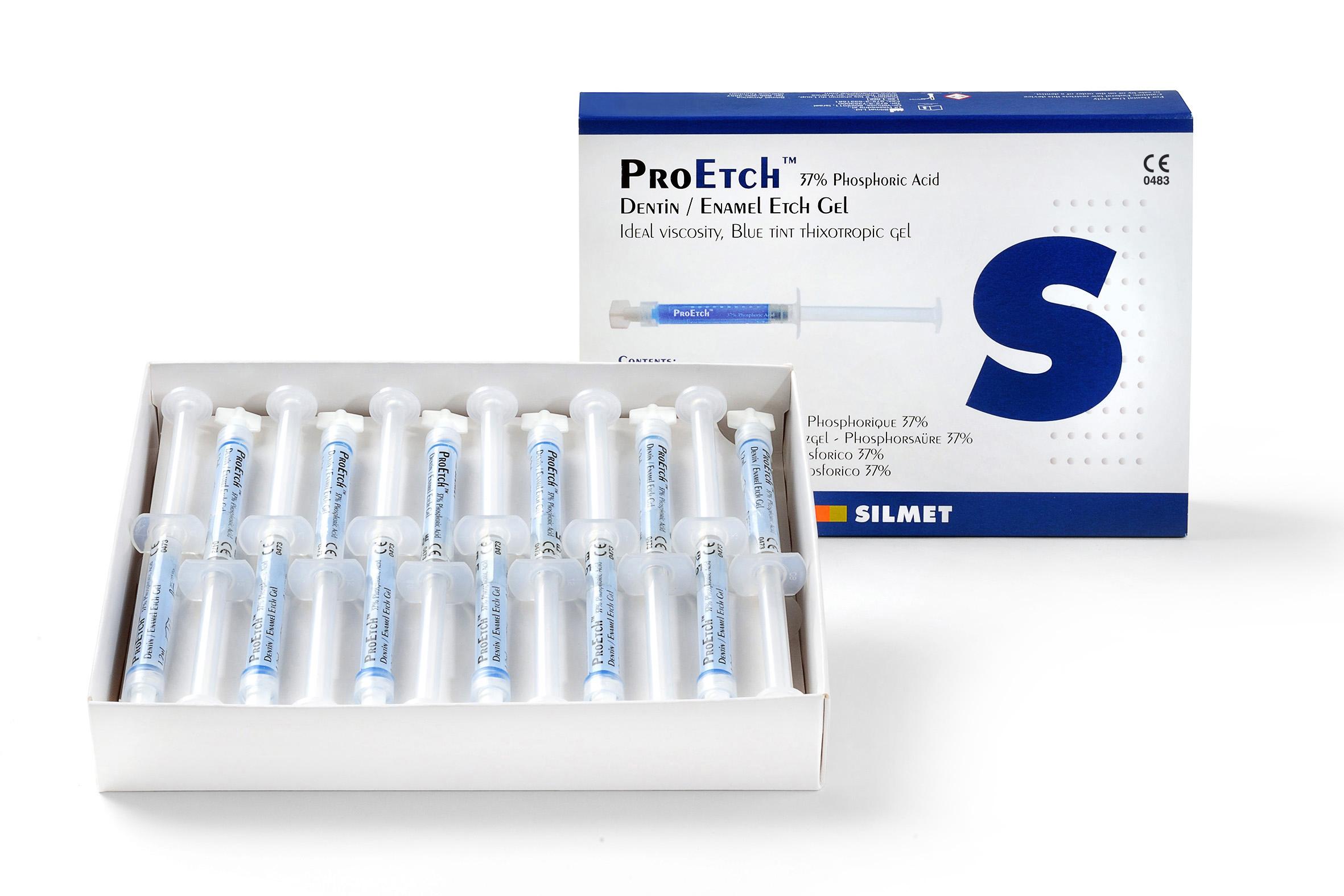
ProEtch is formulated as a 37% phosphoric acid gel built around these requirements. It is a non-drying, medium-viscosity gel formulated to stay in place once applied rather than run onto surfaces it was not meant to reach, which supports both total-etch and selective-etch techniques. The angled, disposable delivery tip is designed for accurate placement in distal and lingual composite preparations, where visibility and access are limited. The gel is designed to rinse off quickly and thoroughly, which helps address one of the more common sources of bond failure: acid or dissolved mineral left behind after an incomplete rinse. Its visible color also makes it easier to confirm where the gel has been placed and where it has been rinsed away before moving on to the adhesive step.
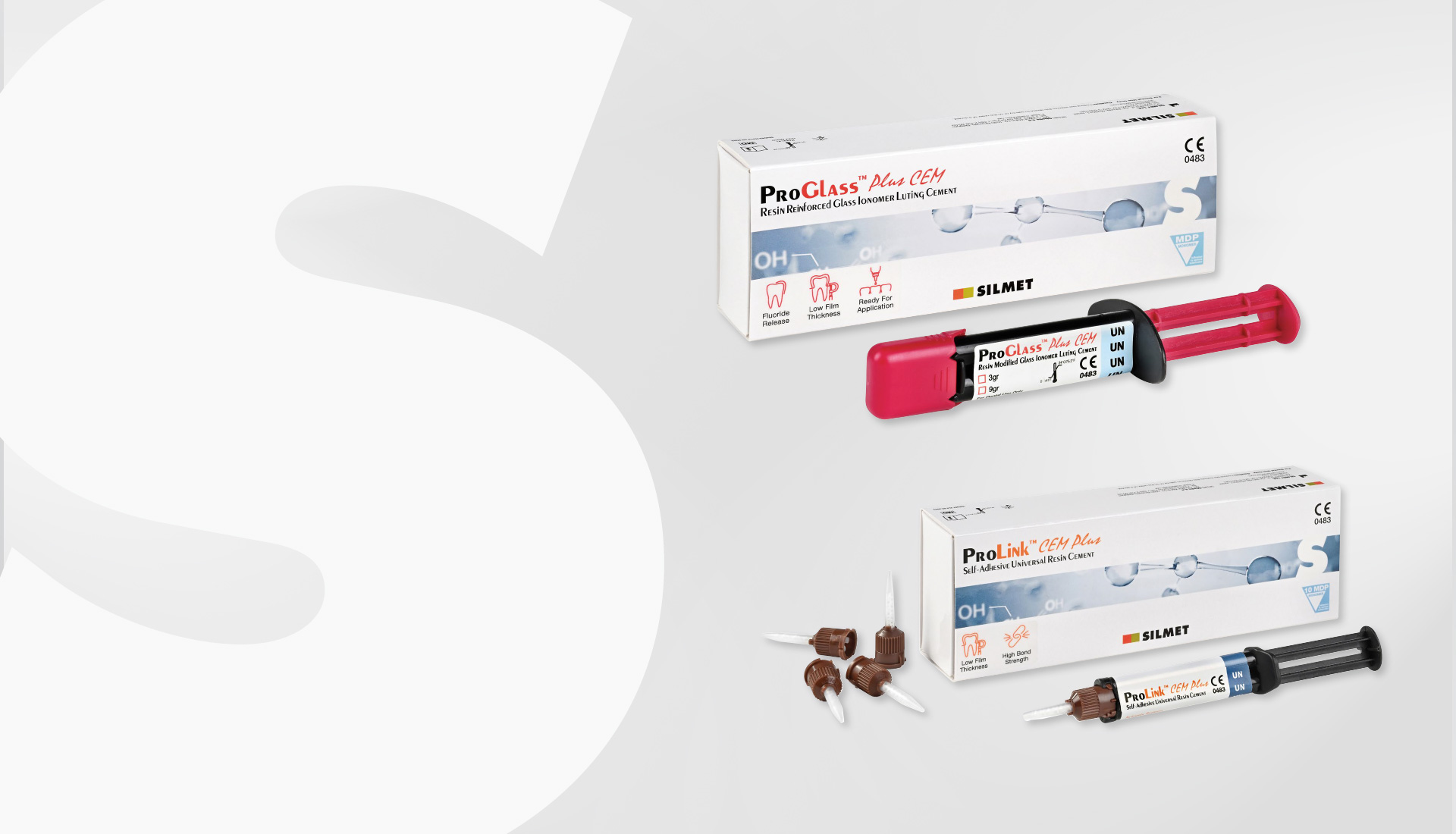
The same principles of surface preparation also contribute to reliable bonding when using dental resin cements for indirect restorations.
Enamel is commonly etched for around fifteen seconds, with some protocols extending to twenty-five seconds depending on the acid concentration and the adhesive system being used. Dentin should generally be exposed to phosphoric acid for a shorter interval, often around fifteen seconds or less, since its higher organic content makes it more sensitive to over-etching than enamel is. Manufacturer instructions for the specific adhesive system in use should guide the exact timing, since etch time is tied to how that adhesive was formulated to interact with the etched surface.
Yes. Over-etching dentin demineralizes it deeper than the adhesive resin can infiltrate, leaving a layer of exposed, unsupported collagen at the base of the etched zone. This mismatch is linked to reduced bond strength, a higher risk of postoperative sensitivity, and a greater likelihood of marginal breakdown over time. Enamel is more tolerant of extended etch times, but excessive etching there can still roughen the surface beyond what is optimal, complicating adhesive placement.
Selective etching, where phosphoric acid is applied to enamel only and dentin is left to the adhesive's own self-etch chemistry, is a widely used approach with universal adhesives. It is intended to combine the stronger enamel bond that phosphoric acid produces with the lower sensitivity risk of leaving dentin conditioning to the adhesive itself. Some laboratory research also suggests that shorter enamel etching durations may achieve bond strength comparable to longer, conventional etch times when used with universal adhesives, which may further reduce the risk of inadvertently over-etching adjacent dentin in mixed-substrate preparations.